
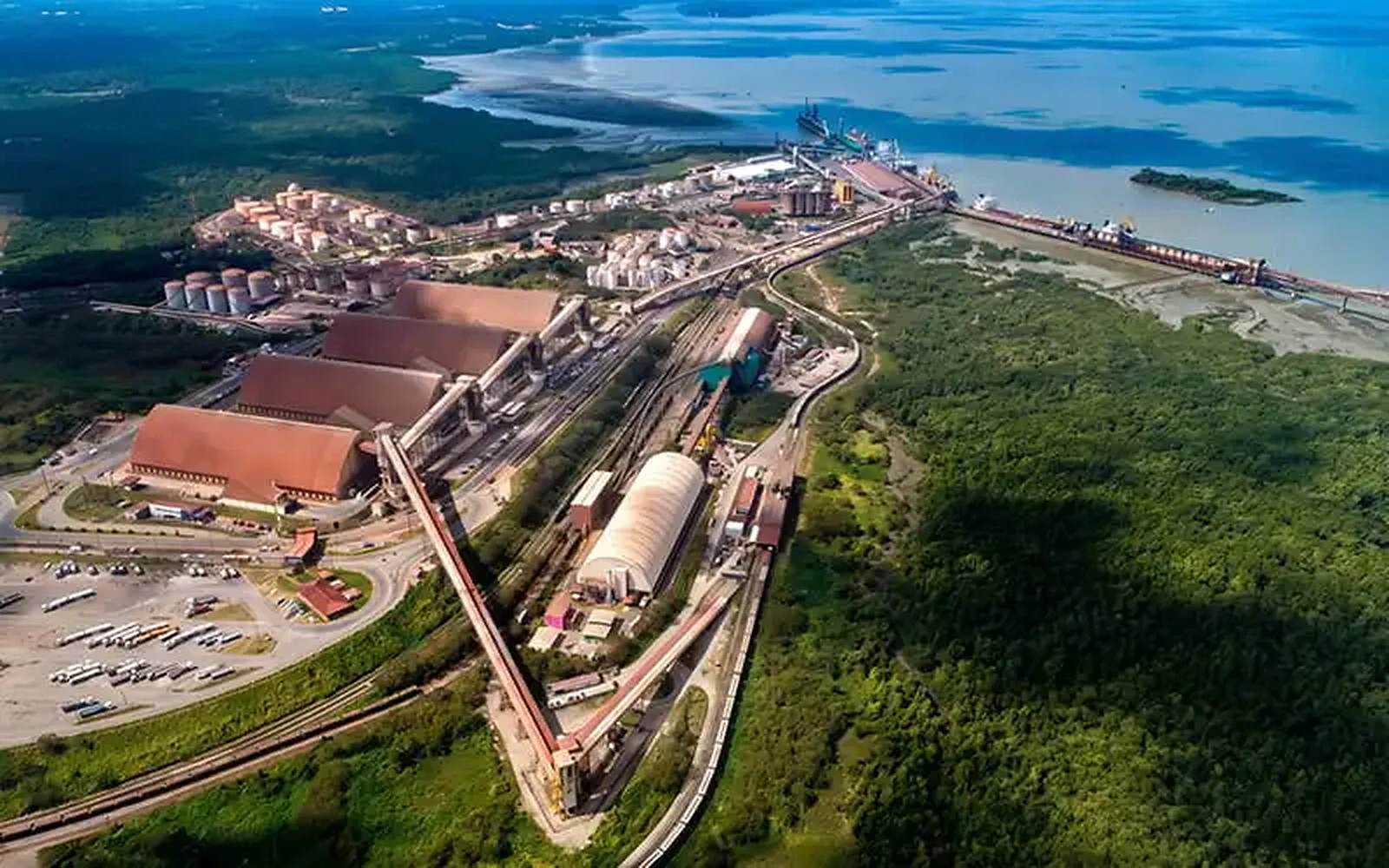
An acquisition with an enterprise value of AED 3.1 billion expands AD Ports Group’s presence in global food trade.
A port’s value extends beyond vessels and cargo to its role in connecting producers with markets. Seen from this perspective, AD Ports Group’s acquisition of Brazil’s Corredor Logística e Infraestrutura (CLI) is more than a geographic expansion: it is an investment in infrastructure supporting global food supply chains. Completed on 1 October 2026 at an enterprise value of AED 3.1 billion, the Group’s largest acquisition gives it a direct operational presence in South America through two important gateways for the flow of sugar and grain to global markets.
An Acquisition Built on Operating Assets
AD Ports Group announced the transaction on 2 June 2026 before completing its financial closing on 1 October, following regulatory and competition approvals in Brazil. CLI was acquired from funds managed by Macquarie Asset Management and IG4 Capital, with Noatum Ports, the Group’s international port-operating arm, assuming operational control.
CLI’s portfolio includes full ownership of CLI Norte, which operates a terminal at the Port of Itaqui, and an 80% interest in CLI Sul, which operates a terminal at the Port of Santos. Both terminals operate under long-term concessions, making this an acquisition of established trading operations rather than simply land or property within ports.
CLI handled 17 million tonnes of agricultural bulk cargo in 2025, generating AED 654 million in revenue and approximately AED 360 million in earnings before interest, taxes, depreciation and amortisation (EBITDA). These figures illustrate the scale of the operating business joining the Group, without guaranteeing future returns.
The announced enterprise value should also be distinguished from the cash consideration paid for shares. Enterprise value reflects the valuation of a business in the context of its financing structure and does not necessarily equal the net proceeds received by sellers. This distinction clarifies the transaction’s value.
Two Ports on the Global Food Trade Map
At the Port of Santos, one of Brazil’s principal maritime gateways, CLI Sul focuses on sugar exports alongside corn and soybeans. CLI Norte, at the Port of Itaqui, forms part of the country’s “Arc of the North”, connecting agricultural production regions with growing export routes. The terminals provide access to two export corridors.
Their strategic value lies in their position within the logistics chain: crops move from producing regions to storage, handling and shipment facilities before reaching overseas markets. Managing these connected stages can create opportunities for more integrated services. Harvest seasons, export volumes and global demand, however, will continue to influence terminal activity and financial performance.
From Brazil to Abu Dhabi
AD Ports Group has outlined plans to develop direct trade routes linking Brazil with Khalifa Port and the Abu Dhabi Food Hub in KEZAD. The proposed connections could help move agricultural commodities to regional and international markets, but they remain future plans, not shipping services confirmed as operational.
Combining Brazilian export terminals with Abu Dhabi’s logistics infrastructure could expand opportunities in transport, storage and distribution, connecting suppliers with importers through the UAE’s wider trade and logistics network. The commercial viability of these routes, actual cargo flows and the ability to attract customers and partners will determine whether this potential is realised.
Global Expansion and the Test of Returns
The CLI deal follows AD Ports Group’s acquisition of Spain’s Noatum in 2023 and its investments in shipping and ports beyond the UAE. This trajectory points towards a connected portfolio of assets and services across different markets rather than a business confined to domestic port operations.
Yet transaction size alone cannot establish success. Long-term impact will depend on terminal performance, cargo volumes, integration with the Group’s network and returns on invested capital.
From Brazil’s coast to Abu Dhabi’s logistics infrastructure, this acquisition adds another link to a trading network spanning continents. Its lasting value will be measured by the sustainable business and real commercial connections it generates.
Sources: