
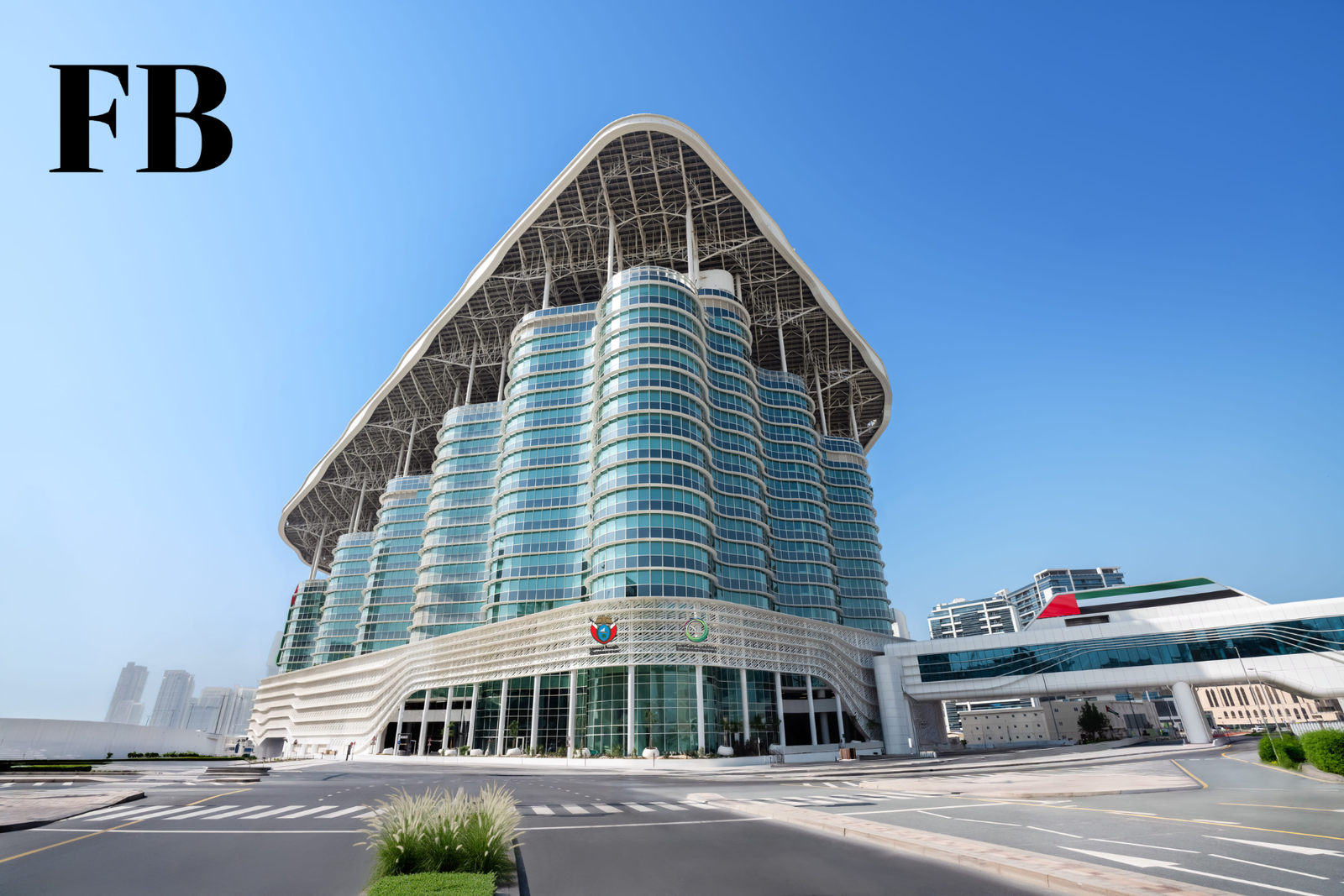
How Dubai’s Al Sheraa is setting a government-led example for energy-positive buildings, opening new possibilities for sustainability and real estate investment.
As cities grow, so does their demand for electricity, water, and the infrastructure required to keep buildings operating. Every new tower brings additional spaces that need cooling, lighting, and power, while every urban development places further demands on resources. Yet a different approach to construction is gaining ground, one in which buildings do more than consume energy: they help generate it and manage its use efficiently. In Dubai, Al Sheraa, the new headquarters of the Dubai Electricity and Water Authority (DEWA), offers a government-led example of this transformation, raising a question that extends beyond architecture: how might the economic value of real estate change when buildings become part of the system that produces resources rather than simply consuming them?
When Buildings Become Sources of Energy
On 15 May 2026, His Highness Sheikh Mohammed bin Rashid Al Maktoum inaugurated Al Sheraa in Dubai’s Al Jaddaf district. DEWA described the project as the world’s tallest, largest, and smartest energy-positive government building.
An energy-positive building is designed to generate more renewable energy over the course of a year than it consumes during the same period. This represents a significant shift from merely reducing energy demand or improving efficiency.
Al Sheraa has a built-up area exceeding two million square feet and a total solar power generation capacity of approximately 5 megawatts. Its photovoltaic panels are installed across rooftops and shading structures, with additional panels integrated into the building’s façades.
According to DEWA’s design specifications, the building is expected to generate approximately 7,500 megawatt-hours of renewable energy annually. This figure reflects its projected design performance, rather than a verified full year of actual operational output.
The significance of the project lies in making solar generation an integral part of the building’s architecture and function from the outset, rather than treating it as a separate addition.
A Building That Thinks About How It Operates
Al Sheraa’s approach extends beyond electricity generation to the way it manages the spaces and resources its occupants require.
The building is equipped with more than 110,000 smart sensors that continuously monitor environmental and operational data, supported by a system integrating artificial intelligence, the Internet of Things, and data analytics.
According to DEWA, this system facilitates more than 1.9 million automated control commands every day, helping coordinate building systems and respond to actual operational requirements.
From lighting and cooling to air quality monitoring and water consumption, operational decisions can be informed by real-time information rather than fixed schedules that may not always reflect changing occupancy and usage patterns.
This shift offers a different way of understanding buildings. They are no longer simply physical structures fitted with technology, but assets whose performance can be continuously managed and improved through data.
Sustainability Enters the Real Estate Investment Equation
Al Sheraa offers the real estate sector an opportunity to assess buildings through a lens that extends beyond construction costs, selling prices, and rental values.
In April 2025, DEWA announced that the project’s estimated value was AED 1.5 billion, reflecting the scale of engineering and technological infrastructure required to deliver a development of this kind.
In August 2026, the building achieved LEED Platinum certification in the New Construction category, earning 102 out of 110 points, a documented indication of its compliance with internationally recognized sustainable building standards.
However, a building’s long-term economic value is determined by more than its certifications or technological features. Energy and maintenance expenses, resource management efficiency, and the ability to sustain operational performance over time are equally important considerations.
More efficient buildings may offer opportunities to reduce certain operating costs and strengthen their appeal to occupants and investors. Yet quantifying these benefits requires actual measurements of construction, operating, and maintenance costs. A technologically advanced government project cannot be assumed to deliver the same financial returns across all residential or commercial developments.
From a Government Building to a New Vision for the City
The significance of Al Sheraa also lies in its contribution to a broader shift towards cities that use energy and resources more efficiently, in line with Dubai’s clean energy and carbon neutrality ambitions for 2050.
Nevertheless, bringing energy-positive buildings into the wider urban environment depends on several factors, including how a property is used, the space available for solar installations, upfront investment requirements, and the ability of management systems to achieve the necessary levels of efficiency.
This is where advanced government developments can play an important role. They provide opportunities to test engineering and operational solutions that real estate developers may be able to adopt in the future, provided those solutions are adapted to each project’s characteristics and economic feasibility.
For decades, one of the central questions surrounding a new building was how many resources it would require to remain operational. Today, developments such as Al Sheraa encourage a different question: what can a building generate or conserve throughout its operational life? Between these two questions, a new vision of real estate is taking shape, one in which the value of a property is measured not only by its size and location, but also by its ability to use resources intelligently and contribute to their sustainability. Not every building will become a power-generating facility, but the experiment opens the door to cities where buildings become part of the solution rather than simply adding to the growing demand for resources.
Sources: