
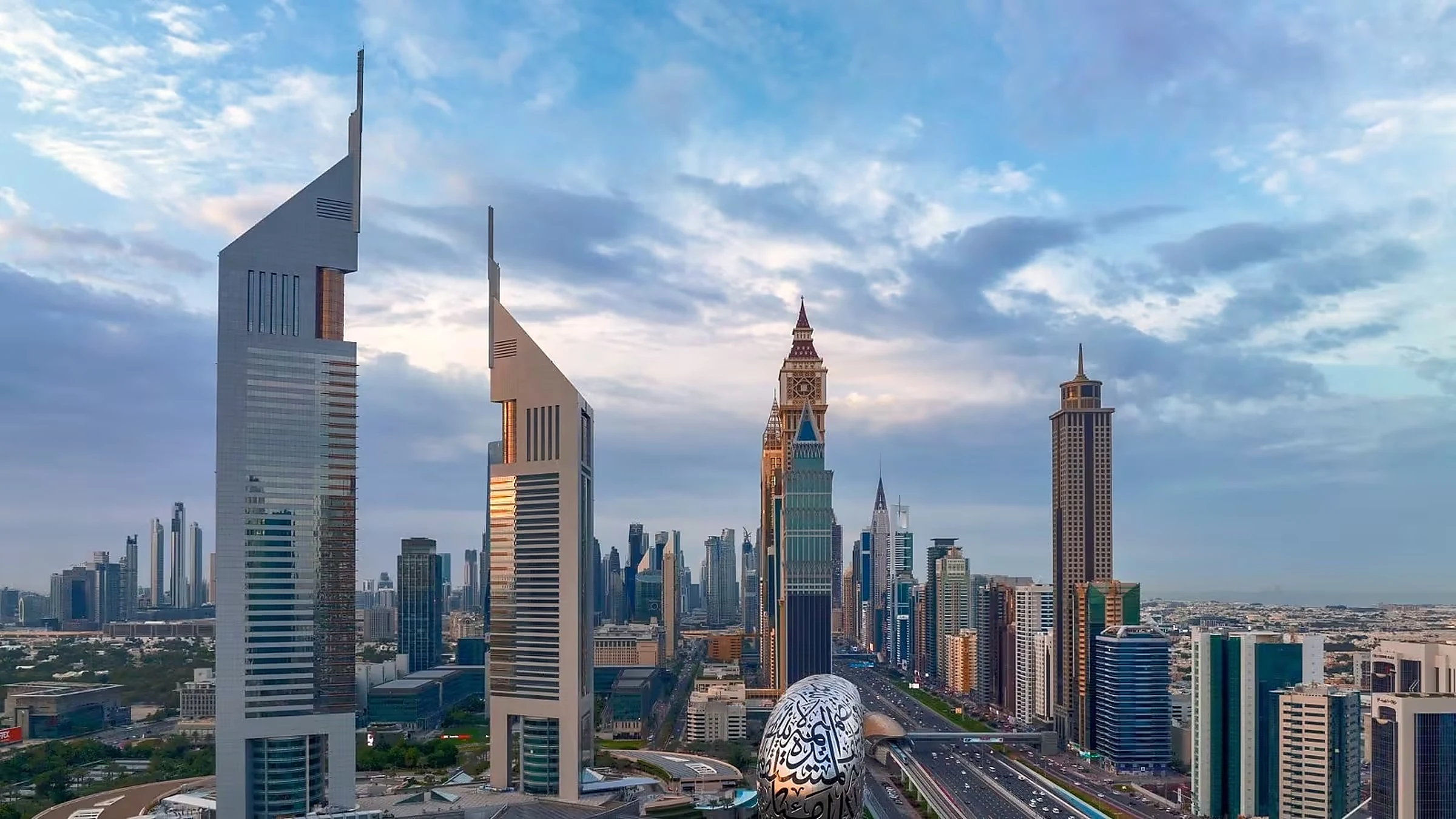
October records the highest monthly arrivals since February 2026, as hotel occupancy reaches 71% and the tourism sector prepares for 2027.
Dubai welcomed 9.68 million international overnight visitors during the first ten months of 2026, including 1.15 million in October, the highest monthly figure since February, according to data released by the Dubai Department of Economy and Tourism (DET). The figures point to improving visitor demand in recent months, supported by a recovery in hotel occupancy and continued efforts to diversify international source markets and develop tourism experiences ahead of 2027.
October Signals a Recovery in Visitor Demand
DET presented the latest figures during its biannual City Briefing at Dubai Opera, bringing together representatives from tourism, hospitality, aviation, retail and events, alongside government and private-sector partners.
October welcomed 1.15 million international overnight visitors, making it the strongest month since February 2026 and indicating an improvement in travel demand compared with the weaker months earlier in the year.
Despite this recovery, the cumulative figure remains below the corresponding period of 2025, when Dubai welcomed approximately 15.7 million international visitors. This distinction is important: stronger recent monthly performance does not necessarily mean that annual visitor levels have returned to their previous highs.
Hotel Occupancy Recovers to 71%
The improvement in visitor numbers has also been reflected in the hospitality sector. Dubai’s hotel occupancy rate reached 71% in October, compared with approximately 36% in March 2026, representing an increase of 35 percentage points.
Hotels recorded around 28 million occupied room nights between January and October, while the emirate’s hotel inventory reached approximately 151,000 rooms by the end of the ten-month period.
These indicators demonstrate the scale of hotel activity and the market’s capacity to accommodate international demand. However, occupancy alone does not fully explain hotel profitability, which also depends on room rates, operating revenue and costs.
Improving occupancy provides opportunities for hotels and tourism businesses to strengthen commercial performance, while maintaining competitive pricing and delivering high-quality guest experiences.
Western Europe Leads International Source Markets
Western Europe remained Dubai’s largest source region during the first ten months of 2026, accounting for 19% of international arrivals, equivalent to approximately 1.83 million visitors.
The Gulf Cooperation Council countries and South Asia followed, each representing 17% of total arrivals, while the Commonwealth of Independent States and Eastern Europe accounted for 14%.
The figures highlight the geographical diversity of Dubai’s tourism demand, with different regions contributing to the city’s visitor economy.
A broad international market base creates opportunities to tailor tourism products and marketing campaigns to different audiences, while reducing dependence on a single geographical source of visitors.
The 2027 Strategy: New Markets and Repeat Visits
The City Briefing also outlined the tourism sector’s priorities for 2027, including broader international marketing, stronger engagement with established and emerging markets, and initiatives designed to encourage repeat visitation.
Developing cultural and heritage experiences will remain an important focus, alongside major events that can support demand across hotels, restaurants, retail and related visitor services.
Public-private partnerships will continue to play a central role, bringing together government entities, hotel operators, tourism businesses and airlines to improve the visitor experience and strengthen international reach.
These priorities also reflect tourism’s broader contribution to the diversification of the UAE economy and the Dubai Economic Agenda D33, which aims to reinforce the emirate’s global competitiveness as a destination for business and leisure.
Turning Recovery into Sustainable Growth
The results for the first ten months of 2026 point to improving international visitor demand and hotel occupancy following a challenging period for regional and international travel.
A fuller assessment of the recovery will depend on visitor performance in the coming months, alongside spending patterns, hotel revenue and the contribution of different international markets.
As Dubai prepares for 2027, the focus is shifting towards stronger destination experiences, diversified demand and continued industry collaboration. The priority will be turning the latest improvement in tourism activity into sustainable business opportunities across hospitality and the wider visitor economy.
Sources: