
Why Dubai’s Branded Residences Market Continues to Grow
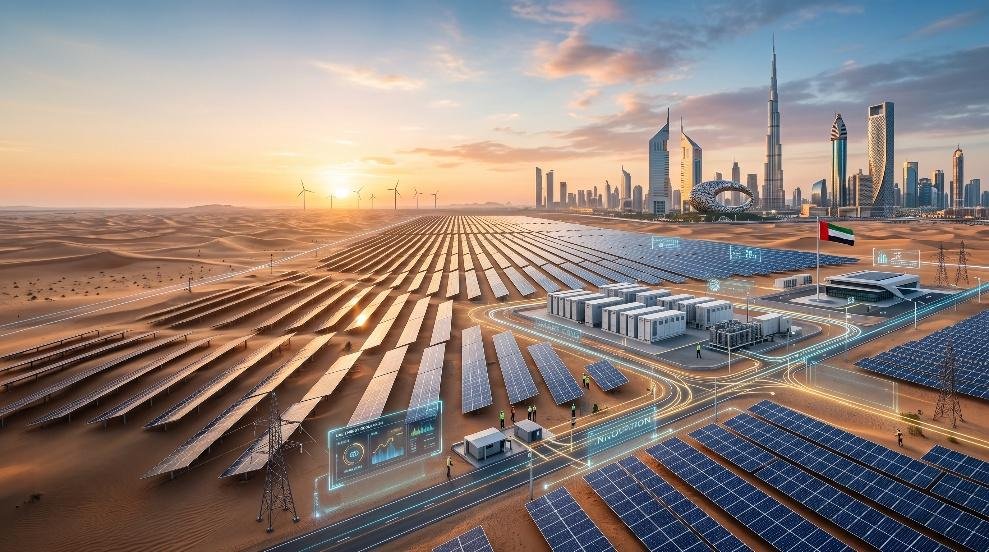
The UAE’s energy sector is entering a new phase in 2026, driven by rising electricity demand, large-scale renewable energy projects, advanced technologies and the country’s long-term commitment to achieving net-zero emissions by 2050.
From solar power and battery storage to nuclear energy, hydrogen and smart energy systems, the UAE is developing a diversified energy ecosystem designed to support economic growth while strengthening energy security and reducing emissions.
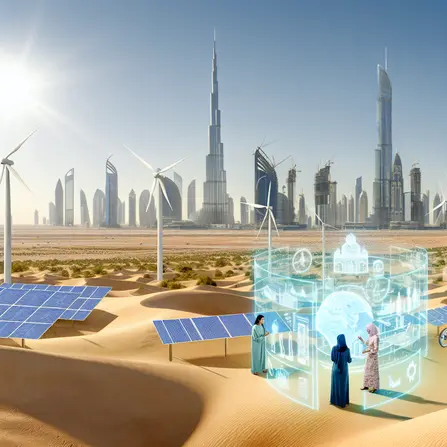
A New Era for the UAE Energy Sector
Energy remains one of the most important pillars of the UAE economy. However, the country’s approach to energy is rapidly evolving beyond traditional sources toward a more diversified and sustainable model.
The updated UAE Energy Strategy 2050 aims to triple the contribution of renewable energy by 2030 and increase installed clean-energy capacity from 14.2 GW to 19.8 GW. The strategy also targets a 30% share of installed clean-energy capacity within the overall energy mix by 2030, alongside major improvements in energy efficiency.
The UAE plans to mobilise between AED 150 billion and AED 200 billion in investment by 2030 to support the country’s growing energy requirements and accelerate the transition toward a lower-carbon energy system.
Solar Energy at the Centre of Growth
Solar energy has become one of the most important components of the UAE’s clean-energy strategy. The country’s strong solar resources, combined with large-scale infrastructure and competitive project development, have created an attractive environment for renewable-energy investment.
In 2026, the UAE is continuing to expand utility-scale solar projects while integrating energy storage technologies capable of providing electricity beyond daylight hours.
One of the most significant developments is the 5.2 GW solar photovoltaic project being developed by Masdar in partnership with Emirates Water and Electricity Company (EWEC), combined with 19 GWh of battery storage. The project is designed to deliver reliable renewable electricity around the clock at a large scale.
This development represents an important shift in the role of renewable energy: solar power is increasingly being combined with storage to provide more consistent and dispatchable electricity.
Energy Storage and Grid Innovation
As renewable energy expands, energy storage is becoming increasingly important to the UAE’s energy infrastructure.
Battery energy storage systems can help balance electricity supply and demand, store renewable power during periods of high solar generation and release electricity when demand increases.
In May 2026, EWEC and Masdar announced a strategic framework supporting the accelerated deployment of more than 30 GW of solar photovoltaic capacity and more than 8 GW of battery storage planned by EWEC.
The programme is expected to contribute to Abu Dhabi’s long-term clean-energy objectives while supporting industrial growth and strengthening the security and reliability of electricity supply.
Abu Dhabi’s Clean Energy Ambitions
Abu Dhabi is playing a major role in the UAE’s energy transition. The emirate aims to meet 60% of its total energy demand from renewable and clean energy sources by 2035.
This ambition is supported by continued investment in utility-scale solar power, battery storage and other clean-energy technologies.
The growing renewable-energy infrastructure is also closely connected to the UAE’s wider economic strategy. Reliable and competitively priced clean electricity can support industries that require large amounts of energy, including advanced manufacturing, technology, data centres and other emerging sectors.
Masdar and the Global Renewable Energy Market
The UAE’s energy transformation is not limited to domestic projects. UAE-based companies are also expanding their presence in international renewable-energy markets.
In January 2026, Masdar announced that its renewable-energy portfolio had reached 65 GW, compared with 51 GW in 2025. The company has set a target of reaching 100 GW by 2030.
Masdar’s growing portfolio demonstrates the UAE’s ambition to become a major global player in renewable energy while supporting the development of new technologies and investment opportunities across international markets.
Nuclear Energy and Energy Security
Renewable energy is only one part of the UAE’s broader energy strategy. Nuclear power also plays an important role in providing reliable, low-carbon electricity.
The UAE’s diversified energy model combines different sources and technologies to ensure reliable power while reducing the carbon intensity of electricity generation.
This approach is particularly important as electricity demand continues to grow due to population growth, infrastructure development, industrial expansion, digitalisation and the increasing use of artificial intelligence and data-intensive technologies.
The Growing Role of Technology
Technology is becoming a defining feature of the UAE energy sector in 2026.
Artificial intelligence, advanced data analytics, smart grids, battery storage and digital monitoring systems are increasingly being integrated into energy infrastructure. These technologies can improve forecasting, optimise electricity consumption and increase the efficiency of renewable-energy assets.
The connection between energy and technology is expected to become even stronger as the UAE expands its digital economy and invests in sectors that require reliable and sustainable electricity.
Energy as an Investment Opportunity
The transformation of the UAE energy sector is creating opportunities for investors, developers, technology companies and infrastructure providers.
Investment opportunities are emerging across solar power, battery storage, hydrogen, energy efficiency, waste-to-energy, smart-grid technologies and other clean-energy solutions.
The UAE’s combination of strong infrastructure, government-backed strategies, international partnerships and access to global capital markets continues to support the development of large-scale energy projects.
Looking Ahead
The UAE’s energy sector in 2026 reflects a broader transformation of the country’s economy. The focus is increasingly shifting toward an energy system that combines reliability, sustainability, technology and investment.
With major solar projects, expanding battery storage capacity, nuclear power, international renewable-energy investments and ambitious national targets, the UAE is positioning itself as a leading regional hub for the future of energy.
As the country moves toward its 2030 clean-energy targets and the long-term objective of net zero by 2050, the energy sector is expected to remain a major driver of infrastructure development, technological innovation and sustainable economic growth.
Sources:
المصدر